
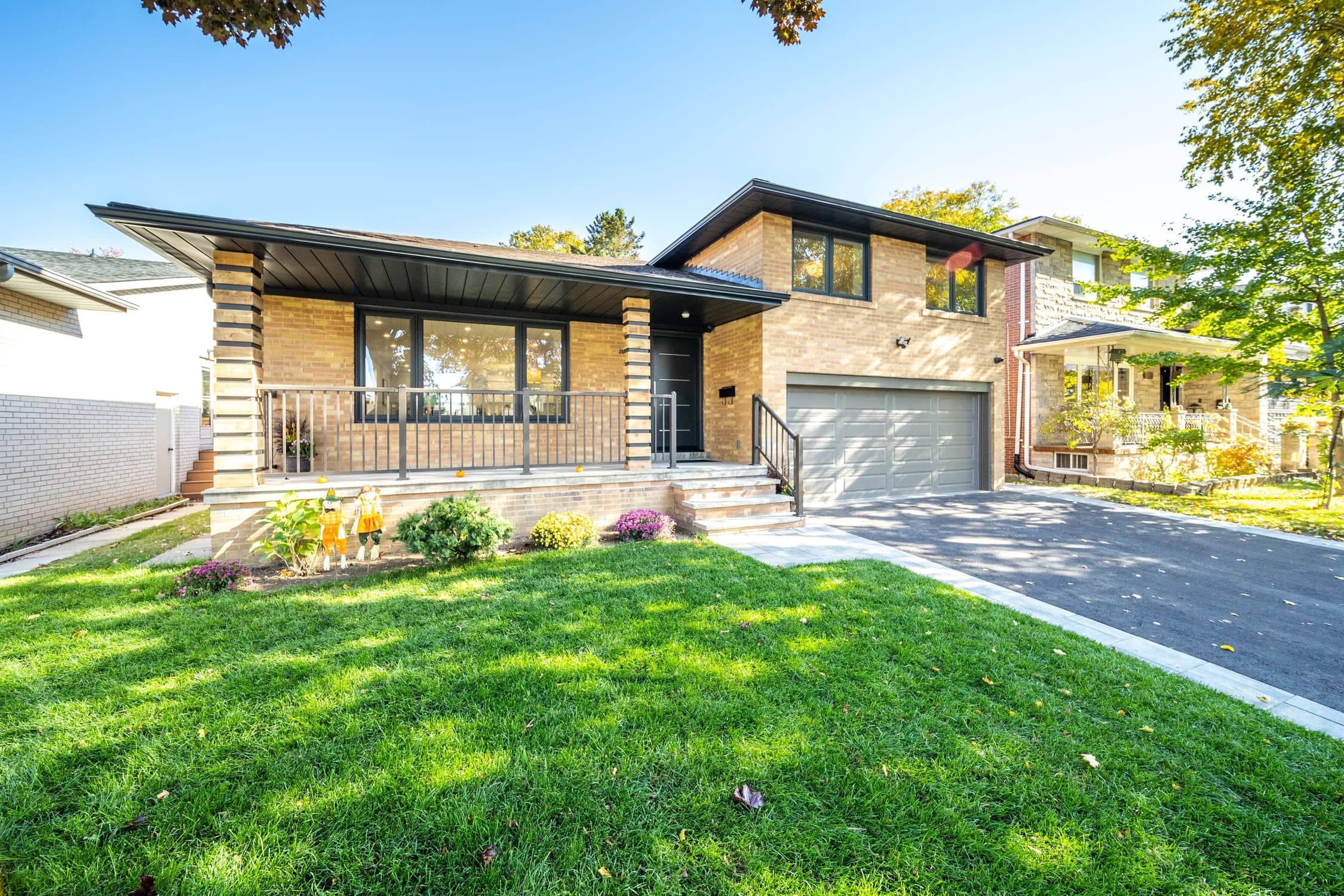
This is a common dilemma for homeowners, especially when the real estate market is slower than expected or property prices aren't meeting their expectations.
Selling your home gives you access to your equity and the freedom to move on. Renting allows you to keep your property, generate potential monthly income, and possibly benefit from future increases in property value.
But which option will put you in a better financial position? The answer depends on your financial goals, monthly expenses, future plans, and the current Toronto real estate market.
When Does Selling Your Home Make More Sense?
To see how much cash equity you would walk away with upon selling, use our Net Seller Proceeds Calculator.
Selling may be the better choice if you're ready to move forward without the financial responsibilities of keeping another property.
Consider selling if:
- You need access to your equity to purchase another home or make an investment.
- Your mortgage, property taxes, or maintenance expenses are becoming difficult to manage.
- You don't want the responsibilities and potential complications of being a landlord.
- You prefer financial flexibility instead of waiting for uncertain future property values.
- You're relocating or making a significant lifestyle change.
The biggest advantage of selling is financial freedom. You can access the equity you've built and decide how to use it for your next chapter.
However, selling also means giving up any potential future appreciation in your property's value.
When Is Renting Out Your Home a Better Option?
Renting may be a smart alternative if you're not in a hurry to sell and your property has good long-term investment potential.
Consider renting if:
- You're not satisfied with recent comparable sale prices in your neighborhood or condo corporation.
- You don't need immediate access to your home equity.
- Rental income can cover most or all of your monthly ownership expenses.
- You're comfortable managing tenants and maintaining the property.
- You want to keep your property as a long-term investment.
The biggest advantage of renting is that you keep ownership of your property while potentially earning rental income.
However, remember that rental income isn't the same as profit. Mortgage payments, property taxes, condo fees, insurance, repairs, and possible vacancies all need to be considered.
What If Property Prices Increase in the Future?
One reason homeowners consider renting instead of selling is the possibility that Toronto property values may improve over time. Keeping your property could allow you to benefit from future appreciation while collecting rent.
But real estate markets are unpredictable. Prices can rise, remain stable, or decline, and waiting for a better market doesn't guarantee a higher selling price.
The decision to keep your property should make financial sense today, not depend entirely on the hope that prices will increase tomorrow.
Don't Overlook the Responsibilities of Being a Landlord
Managing tenants under Ontario law requires careful planning. Review our guide on renting out your condo in Toronto.
Renting your property involves more than simply collecting monthly rent.
As a landlord in Ontario, you must follow residential tenancy laws, maintain the property, and respect tenants' legal rights. If you decide to sell later, having a tenant in the property may affect your selling strategy and the buyer's ability to take possession.
There may also be tax implications when converting your principal residence into a rental property. Understanding these responsibilities before renting can help you avoid expensive surprises.
What About Selling Costs?
A lower commission makes selling significantly more lucrative. Compare your numbers on our 1% Commission Savings Calculator.
If you decide to sell, it's important to consider how much of your property's value you'll actually keep after expenses. Real estate commissions, legal fees, mortgage-related costs, and applicable taxes can affect your final proceeds.
That's why I offer my 1% listing commission, helping Toronto homeowners potentially save thousands of dollars while receiving professional real estate representation.
Buyer brokerage commission, if applicable, and HST are additional. All real estate commissions are negotiable.
So, Should You Sell or Rent Your Toronto Home?
There is no perfect answer for everyone. The best decision is the one that fits your financial situation and long-term goals.
If you need access to your equity, want fewer responsibilities, or are ready for a new beginning, selling may be the right choice. If your property has strong rental potential, manageable expenses, and you can afford to hold it long-term, renting may be worth considering.
Before making your decision, ask yourself one important question: Will keeping this property improve my financial future, or would selling give me better opportunities?
Not Sure What to Do? Let's Explore Your Options!
You don't have to make this important decision without knowing what your property is worth or how much rental income it could generate. I offer a FREE, no-obligation home evaluation and rental market assessment to help you understand your options.
Whether you're ready to sell, considering renting, or simply exploring possibilities, I'll be happy to provide professional advice based on your property and local market conditions. No pressure. No obligation. Just helpful advice to make the right decision.